
China Medical Tourism in 2026: Why Foreigners Are Flying to China for Healthcare
From $66 MRIs and $15 dental cleanings to CAR-T therapy at one-tenth the US cost — China's medical tourism boom is real. Here's what's happening, with real numbers and real patient stories.
Key Takeaways
- ✦According to China's National Health Commission, key hospitals across the country handled 1.28 million international patient visits in 2025 — that's a 73.6% increase from three years earlier.
- ✦The Price Difference Is Not Small — It's Shocking I'm going to give you specific numbers here, because I think people deserve to see what we're actually talking about.
- ✦Dental Care A standard dental implant in China runs about 5,000 RMB ($690) — roughly a quarter of the UK price.
- ✦Cancer Care China has become a significant destination for cancer treatment, driven by cost and access to innovative therapies.
I've spent the last decade and a half helping travelers explore China — showing them the Great Wall without the crowds, finding the best hotpot in Chengdu, arranging guides who feel like old friends. But in the last year, something unexpected started happening.

More and more of the people reaching out to me aren't just asking about travel itineraries. They're asking: "Can you help me see a doctor in China?"
At first it was a trickle. Someone who heard dental work in China costs a fraction of what they'd pay at home. A retired couple who wanted a full health checkup without waiting months. Then it became a steady stream. And if you've been watching the news in 2025 and 2026, you've probably noticed the same thing.
Medical tourism to China has exploded — and it's not just about saving money. Let me walk you through what's actually happening, with real numbers and real stories.
The Numbers Tell the Story
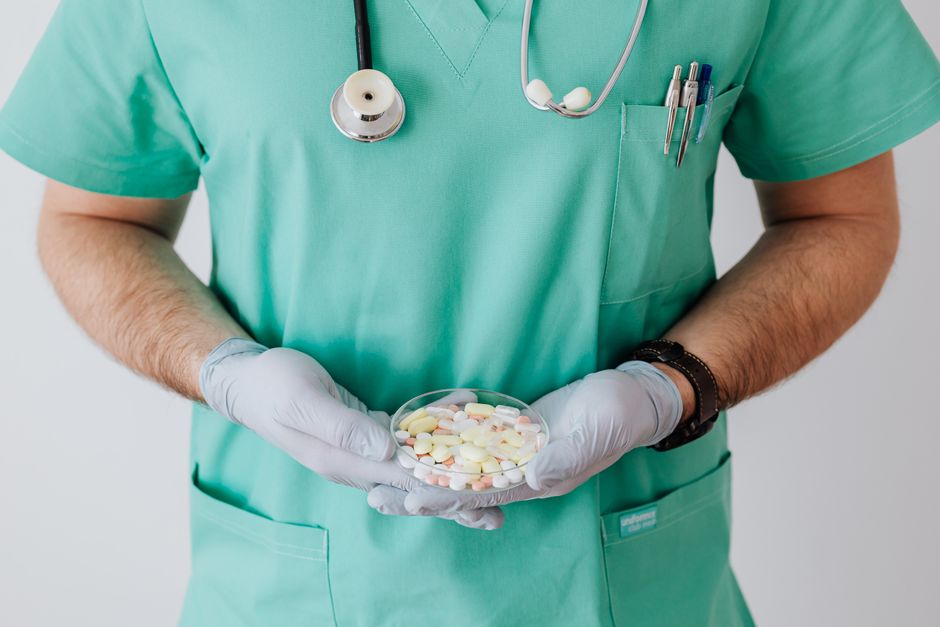
Let's start with the big picture. According to China's National Health Commission, key hospitals across the country handled 1.28 million international patient visits in 2025 — that's a 73.6% increase from three years earlier. Of those, about 413,000 were people who traveled to China specifically for medical care, up 63% year-over-year.
This isn't some niche trend anymore. Over 850 healthcare institutions in 57 Chinese cities now offer international medical services. And while China still has a long way to go to catch up with Thailand (3+ million medical tourists a year) or South Korea (1.1+ million), the growth trajectory is unmistakable.
The most visible sign? On Chinese social media and TikTok, a new catchphrase has emerged: the "New Three Essentials" of China travel. It used to be mobile payments, high-speed rail, and hotel robots. Now it's dental care, eye exams, and Traditional Chinese Medicine (TCM).
Why China? Three Real Reasons
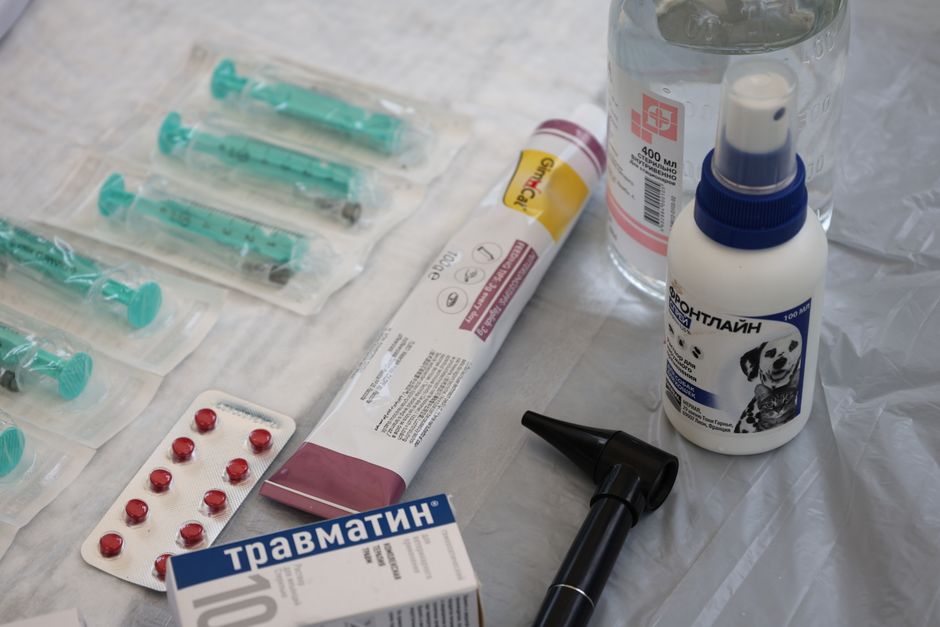
1. The Price Difference Is Not Small — It's Shocking
I'm going to give you specific numbers here, because I think people deserve to see what we're actually talking about.
A British woman had a sedated upper endoscopy with polypectomy in Beijing. Total medical cost: 2,822 yuan — about $390. The private quote she'd gotten in the UK for the same procedure: £3,700 ($4,700+). And she would have waited months on the NHS.
A full MRI scan at a top Chinese hospital: roughly $66 to $110 depending on the city and facility. In the US, an MRI can run $500 to $3,000 — with a several-week wait. In the UK under NHS, you're looking at up to 26 weeks for an MRI appointment.
A tooth implant in China: about 5,000 RMB ($690). In the UK, expect £2,000 to £4,000 ($2,800 to $5,600). A basic dental cleaning: $15 in China vs. often not covered by insurance abroad.
A cardiac checkup: about $75 in China. At a US hospital without insurance, the same workup — EKG, blood panel, stress test — can easily run $10,000 to $20,000.
A knee replacement (something I've had multiple inquiries about): around 60,000 yuan ($8,300) in a top Chinese hospital. In the US, it's commonly $50,000+, with an 8-12 month wait.
A PET-CT scan for cancer staging: $300 to $800 in China vs. $5,000 to $15,000 in the US.
These aren't cherry-picked numbers from marketing brochures. They're the actual bills people are paying.
2. Speed: The Underrated Advantage
This is the thing that surprises most first-timers. China's public hospital system moves fast.
Want an MRI in Shanghai? Call in the morning, come in the afternoon, get your results in English the next day. Need to see a specialist at Peking Union Medical College Hospital — one of China's best? You can book an appointment within 1 to 3 days, not 6 months.
A British student named Amie flew to Beijing with chronic stomach issues she'd been dealing with for over a year in the UK. She couldn't get a timely NHS appointment. Within 5 days of landing, she'd seen a specialist, completed blood work, an ECG, and a sedated endoscopy where two polyps were removed. Total medical cost: 2,822 yuan. She posted about it on TikTok and the video went viral. Her words: "It feels like a well-oiled machine here."
Compare that to the UK's NHS, where the average wait for an elective gastroenterology appointment can stretch past 12 months in some regions. Or the US, where even insured patients often wait 2-6 weeks for a specialist and another 2-8 weeks for imaging.
China's biggest advantage isn't that the medicine is better or worse — it's that you can actually get it without waiting.
3. Quality That Holds Up
This is the question I get most: "But is it safe?"
The answer deserves nuance. China's hospital system has enormous variation, just like any country's. But at the top tier — the JCI-accredited hospitals, the national medical centers, the international departments — the quality is genuinely world-class.
Consider the "Big Four" of Chinese medicine:
Peking Union Medical College Hospital (PUMCH) in Beijing has been China's #1 hospital for 14 consecutive years. It boasts a 98% rare disease diagnosis accuracy and sees over 5,000 international patients a year.
West China Hospital in Chengdu performs over 150,000 surgeries annually across 185 operating rooms. It has 5 Da Vinci Xi surgical robots. Its organ transplant success rate is 97%.
Ruijin Hospital in Shanghai, founded in 1907, is ranked #1 nationally in immunology and rheumatology, processing over 2 million outpatient visits annually.
301 Hospital (PLA General Hospital) in Beijing is known for military-grade precision in orthopedics and emergency care, with a 97% emergency resuscitation success rate.
Then there are the international private hospitals catering specifically to expats and medical travelers:
United Family Healthcare operates across Beijing, Shanghai, and Guangzhou with JCI accreditation, direct billing with over 100 international insurers, and multi-lingual staff.
Jiahui International Hospital in Shanghai has a partnership with Massachusetts General Hospital (Harvard), 500 beds, and offers CAR-T therapy, robotic surgery, and full-service care in English, Japanese, Korean, French, and German.

The "New Three Essentials" Up Close
Dental Care
A standard dental implant in China runs about 5,000 RMB ($690) — roughly a quarter of the UK price. Teeth cleaning costs about $15. Orthodontic treatment (braces): a mother from Sydney paid 22,000 RMB ($3,000) for her son's braces in Shenzhen, fitted within a week. The Australian quote was A$12,000 ($7,900) with a 6-8 month wait.
Many travelers combine dental visits with a vacation. Fly into a city like Chengdu or Zhengzhou, get your dental work done over 3-5 days, spend the rest of the time sightseeing.
Eye Exams and Glasses
An eye exam with refraction plus a custom pair of glasses (frame + lenses) in China: roughly $30 to $100. In the US, an eye exam alone can run $150-$250 without insurance, and a pair of prescription glasses easily costs $300-$800.
Sabrina, a British traveler, walked into Fudan University's ENT Hospital in Shanghai at 11 AM without an appointment, had a full vision exam, and walked out by 5 PM — with all her test data and a candid recommendation from the doctor not to get surgery. She then continued her trip to Xi'an, Lijiang, and Shangri-La.
Traditional Chinese Medicine (TCM)
Acupuncture, tuina massage, guasha, moxibustion, herbal medicine — these aren't alternative therapies in China. They're integrated into the mainstream healthcare system. At top TCM hospitals, you can get a consultation, acupuncture session, and a week's worth of herbal medicine for about $30 to $60.
A 68-year-old Canadian named Franco Caputo tried ear acupuncture at Beijing Union Hospital. Russian tourists in the border city of Hunchun regularly cross over specifically for acupuncture and moxibustion treatments. Sanya's TCM hospital has treated over 100,000 overseas patients from 40+ countries.
TCM works particularly well for chronic conditions — back pain, insomnia, digestive issues, stress — things that Western medicine often struggles to treat without medication.
Beyond the Basics: Serious Medical Treatment
Cancer Care
China has become a significant destination for cancer treatment, driven by cost and access to innovative therapies.
CAR-T therapy — a groundbreaking immunotherapy that reprograms a patient's own immune cells to fight cancer — costs $373,000 to $475,000 for the drug alone in the US. With hospitalization, the total bill can exceed $1 million. In China, the same treatment runs roughly one-seventh to one-tenth of that — around $40,000 to $80,000.
Alex, a 45-year-old American with relapsed multiple myeloma, came to Beijing United Family Hospital in late 2025 after exhausting all options in the US. His family exchanged over 60 emails with the hospital to coordinate care. After two months of treatment including CAR-T therapy, his tumors were effectively controlled. The hospital arranged airport pickup, helped with visas, and set up a remote follow-up plan. He said: "It was the precision and compassion that gave me a second chance at life."
China also has domestically developed cancer drugs not yet available in Western markets. Ivonescimab, a novel immunotherapy, has shown remarkable results in clinical trials for certain cancers.
Proton therapy in China costs $20,000 to $40,000 — about 15-20% of the cost in the US.
Heart Surgery
A coronary artery bypass graft (CABG) at a top Chinese hospital: roughly $20,000 to $40,000. The same procedure in the US: $80,000 to $200,000. NHS waits: 6-12 months.
Fuwai Hospital in Beijing is China's top cardiac center. Its surgeons perform thousands of bypass and valve procedures annually, with a 98.5%+ success rate.
Orthopedics and Spine
William, an American nurse, had undergone three failed chest wall reconstruction surgeries in the US at ages 5, 21, and 26. He had a rare condition that left him with breathing difficulties. After researching global specialists through academic literature, he found Dr. Wang Wenlin at Guangdong Second Provincial People's Hospital — who has performed more surgeries for William's specific condition than anyone in the world. William flew to China as his "last hope globally."
Dean Johnson, a British man, had suffered chronic back pain since a 2008 car accident. He first flew to Wuhan in 2023 for radiofrequency treatment that completely resolved his pain. When it returned in 2026, he flew back. An MRI was scheduled for the next day (vs. "at least one month" in the UK). Surgery was performed within days. His quote: "Chinese doctors solved what British doctors couldn't!"
The Wildcard: Hainan's Boao Lecheng Zone
If you haven't heard of this, it's worth knowing about.
The Boao Lecheng International Medical Tourism Pilot Zone in Hainan is a special zone where drugs and medical devices approved overseas can be used before they're approved in mainland China. As of mid-2026, the zone has introduced over 560 innovative drugs and devices not yet available elsewhere in China.
What does this mean for a patient? If a new cancer drug was approved in the US or EU in 2024 but isn't yet available in mainland China, it very likely is available in Lecheng. The zone's approval process takes an average of 40 hours for imported drugs (down from 60+ days).
Lecheng hosted 865,300 medical tourism visits in 2025 — a 109% year-over-year increase. Overseas patients from 14 countries have been treated there. The zone now has 36+ medical institutions, including branches of Ruijin Hospital and West China Hospital.
Hainan also offers visa-free entry to citizens of 86 countries for up to 30 days. If you're coming for medical treatment, this is the easiest port of entry.
What About TCM and Wellness?
This is an area where China has no real competitor, because the expertise simply doesn't exist elsewhere at scale.
Italian patient Agnese came to China for a rare condition called Nutcracker syndrome — a compressed kidney vein. Surgeons at Shaanxi University of Chinese Medicine designed and implanted a 3D-printed extravascular stent custom-made for her anatomy. She said: "I came to China for one reason only — to find an experienced surgeon with a high volume of successful surgeries. This treatment is not available outside of China."
When you combine medical care with the recovery environment — thermal springs in Hainan, mountain retreats in Yunnan, tea plantation stays in Hangzhou — the line between medical treatment and wellness tourism blurs.
What to Watch Out For
I try to be honest about the drawbacks, because this matters when it comes to health.
Language barrier. Outside of international hospital departments, English is limited. Even at top public hospitals, the international desk may only have English speakers during certain hours. You need a hospital with proper international services or a trusted medical escort.
Payment. Many Chinese hospitals expect international patients to pay out-of-pocket at the time of service. International insurance direct billing is available at private hospitals (United Family, Jiahui) but not at most public hospitals.
No dedicated medical visa. China currently doesn't have a specific medical visa category. The 30-day visa-free entry (available to citizens of over 50 countries) or 240-hour transit policy works for routine care, but for serious treatments requiring longer stays, a standard tourist (L) visa is the typical route.
Quality variation. Not all Chinese hospitals are equal. You want a JCI-accredited hospital, a tertiary (san jia) hospital with an international department, or one of the private international hospitals. Going elsewhere without proper research is risky.
Follow-up care. Once you leave China, follow-up with the same doctor isn't straightforward. Most top hospitals now offer remote consultation, but you'll need to plan for this.
How to Think About It
If you're considering China for medical treatment, here's my honest framework:
For routine dental, eye care, and health checkups: The savings are massive, the quality at good hospitals is excellent, and the turnaround time is unbeatable. Combine it with a trip and it's a no-brainer.
For TCM treatment: If you have a chronic condition that Western medicine hasn't solved, TCM is genuinely worth exploring. The expertise in China is several orders of magnitude beyond what you can find abroad.
For serious surgery (cancer, heart, orthopedics): The cost savings are real — 60-90% less than US prices. But this requires serious research of the specific hospital and doctor. Work with a hospital's international department directly and understand the follow-up plan.
For experimental or hard-to-access treatments: If you need a drug not yet approved in your country, Lecheng Zone is the place to look. They have 560+ innovative drugs and devices, and visa-free access to Hainan makes it logistically simple.
China's medical tourism boom is real — driven by genuine value, not just marketing. The country has world-class hospitals, prices that are a fraction of Western costs, and a speed of service that feels almost impossible if you're used to waiting months for care.
But it requires homework. Know what you're looking for, pick the right hospital, and understand the logistics before you book a flight.
If you've got questions about a specific treatment or city in China, feel free to reach out. I'm not a doctor and I don't give medical advice — but I do know Chinese hospitals well after 15 years on the ground, and I can point you in the right direction.
All cost figures and statistics in this article are sourced from the National Health Commission 2025 Annual Report, the 2025 China Medical Tourism Development Report, Hainan Boao Lecheng Pilot Zone official data, and multiple verified patient case reports from 2025-2026.
Related: Cost Comparison: China vs US vs UK · Best Hospitals for International Patients · Medical Tourism Guide
Hi, I'm Peng — Your China Travel Insider
I've been helping travelers explore China for 15 years. Every inquiry I receive gets a personal reply from me — no chatbots, no automated responses.
Ready to plan your China trip?
Every trip is different. Tell me what you're looking for and I'll build a custom itinerary that fits your style, budget, and schedule.
You Might Also Like
China vs US vs UK: Real Medical Cost Comparison 2026
From $67 MRIs to knee replacements at one-tenth the US price — I've collected real bills and verified prices so you can see exactly how much you'd save getting treatment in China.
Read →China Medical TourismBest Hospitals in China for International Patients 2026
From JCI-accredited international hospitals to top public hospitals with dedicated foreign patient departments — here's where to go in China for world-class medical care, with prices and contact info.
Read →China Medical TourismDental Tourism in China 2026: Complete Guide to Costs, Quality & Top Clinics
Dental tourism is the #1 reason medical travelers come to China. Teeth cleaning for $15, implants for $400, and braces at a fraction of Western prices — here's exactly what to expect.
Read →