Back to Blog









china
29 posts · Curated China travel tips
All Posts · 29
I took a British family to a night market in Kunming last week. The dad stopped in front of a stall selling fried insects and just stared. "The scorpion. Is it... is it good?" he asked. I told him the truth: they taste like prawn crackers with extra crunch. The grubs are nuttier. The scorpion is mostly just a vehicle for the seasoning powder they toss on it. He bought one scorpion stick (¥15), closed his eyes, and bit. His wife filmed. His kids screamed with laughter. He opened his eyes, chewed, and said: "...it's actually not bad." That's the night market experience in a nutshell. You try things you'd never order in a restaurant. You eat while walking. You discover that some of China's best food comes on a stick from a cart with a single lightbulb. Every Chinese city has a great night market. The biggest are famous — Wangfujing in Beijing, Yuyuan in Shanghai. But the real ones are the local night markets three blocks from your hotel. Ask your front desk. They'll point you to the right street.
-6802m ago10
My daughter told me last night: "Mama, when I grow up I want to be a travel planner like you. But I'll plan trips for grandmas." I asked why grandmas. "Because they're the ones who actually have time to enjoy things." Out of the mouths of six-year-olds. She's not wrong though. I've spent 15 years watching travellers pack too much into too little time. The 6-city, 10-day itineraries. The "we can sleep when we get home" approach. The frantic rush from one attraction to the next. And then I watch the ones who do it differently. The retired couple who stayed in one Chengdu neighbourhood for a week and got invited to a local family's home for dinner. The solo traveller who spent three afternoons in the same tea house and ended up learning calligraphy from an elderly regular. The best China trips aren't the ones that cover the most ground. They're the ones where you let the country happen to you. Not bad advice from a six-year-old.
-6716m ago10
Two years ago a client slipped on a wet marble floor at his Beijing hotel. Just a sprained wrist — but his travel insurance didn't cover China. He ended up paying ¥800 at a walk-in clinic and spent the rest of his trip anxious about what would happen if something serious happened. Don't be that guy. I tell every client: check your travel insurance covers China BEFORE you leave. Not all policies do. Here's what to look for: — Medical coverage in China (some policies exclude it) — Minimum $100,000 coverage — Coverage for TCM treatment (acupuncture, tuina — these count as legitimate medical expenses here) — 24-hour English helpline If your insurer says "worldwide excluding USA" — that usually covers China. But call and confirm. Don't rely on the fine print. The good news: China's hospitals are excellent and affordable. An MRI costs ¥480. An emergency room visit for something minor? ¥200-500. Even without insurance, it won't bankrupt you. But with insurance, you travel without that worry in the back of your mind.
-6527m ago10
My son asked me last week: "Mama, why do Chinese people eat with chopsticks?" I didn't have a good answer. So I asked my uncle, who's been a chef for 40 years. He said: "Because we cut everything in the kitchen. No knives on the table. The chopsticks are for picking up what's already ready." And that's actually a great way to understand Chinese food culture. Western cooking leaves the knife to the diner. Chinese cooking does all the work for you — meat sliced thin, vegetables bite-sized, everything ready to pick up and eat. The chopstick is just the tool that delivers it. The real skill isn't chopsticks — it's the rice bowl. Hold it close to your mouth and push food in. That's how locals eat. Keeping the bowl on the table and leaning down? That's what kids do (and my four-year-old still does it, sauce on his chin, every single meal). If you can handle chopsticks well enough to pick up a single peanut, you're better than most tourists. If you can pick up a slippery mushroom? You've graduated.
-4878m ago10
Shanghai's French Concession is my favourite neighbourhood in any Chinese city. I know — I'm a Chongqing girl, I should say my hometown. But the French Concession is different. Wide plane-tree-lined streets. 1920s art deco buildings hiding speakeasies and indie bookstores. Old lane houses where laundry hangs between centuries-old architecture and modern coffee shops. I take a morning walk there every time I'm in Shanghai: start at Wukang Road, grab coffee at a random lane house cafe, walk through the Fuxing Park (where locals ballroom dance in the morning — yes, really), then end up at a xiaolongbao place on Xintiandi for soup dumplings. Most tourists rush to the Bund and Pudong and miss this entire side of Shanghai. The Bund is spectacular at sunset. But the French Concession is where the city breathes. If you only have one day in Shanghai, spend the morning in the Concession and the evening on the Bund. That's the real Shanghai contrast.
-3825m ago10
A German client asked me worriedly last week: "Will I survive China without speaking Chinese?" I told him about the time I watched a Swedish tourist order dinner at a busy Chengdu restaurant entirely through charades. He pointed at a neighbour's bowl, held up two fingers, and gave a thumbs up. The waiter nodded, came back ten minutes with the exact same dish, and the guy ate it happily. You don't need Chinese to travel China. But you do need three things: 1. Google Translate with Chinese downloaded offline. Point camera at menu, get translation. Not perfect, but good enough. 2. Pleco dictionary for when Translate fails. The handwriting input is a lifesaver for single characters. 3. A willingness to be wrong. You'll point at the wrong menu item, order something unexpected, and discover your new favourite dish. That's not a mistake — that's the experience. The three phrases I make every client learn: 谢谢 (thank you), 多少钱 (how much), and 这个 (this one — accompanied by pointing). With those three, you can handle 90% of daily interactions. My client survived. Thrived, actually. Ate his way through three cities without a single English menu.
-3527m ago10
China's high-speed trains are the best travel value in the world, and I'll die on that hill. ¥540 for Beijing to Xi'an (1,200km in 3.5 hours). ¥600 for Chengdu to Shanghai (1,800km in about 10 hours). Clean stations, departure on the dot, WiFi that mostly works, and food carts that come by with hot meals that are actually edible. I've taken the G-series trains hundreds of times. A few things I've learned: Second class (二等座) is perfectly fine — ¥50-70% of first class price for the same journey time. First class (一等座) gives you more legroom and a quieter carriage. Business class is only worth it if someone else is paying. Book through Trip.com if you want English. Use 12306 if you can handle some Chinese — it's cheaper by ¥20-30 per ticket. And bring your own snacks. The train food is fine, but the woman walking through the carriage with a cart of braised chicken feet and beer is where the real action is.
-3437m ago10
A client sent me a photo from a "jade market" in Beijing yesterday. She'd paid ¥2,000 for a bracelet the vendor swore was "real Burmese jade." I zoomed in. It was plastic with green dye. Here's the honest truth about shopping in China: the fake stuff is everywhere, and the prices tourists pay are often 3-10x what locals pay. But real deals exist if you know where to look. Tea is one of the safest bets. Real Longjing tea from Hangzhou? Worth it. Silk from Suzhou? Excellent quality. Pearl milk tea on every corner? ¥10 and life-changing. The places I tell clients to avoid: "silk factories" that bus tourists in, "tea ceremonies" in gift shops near major attractions, and any market where the vendor speaks perfect English and starts at 10% of your offer. Where I send them instead: the local wet market, a proper tea market (like Majiayao in Beijing), or just any street where vendors are selling to locals, not tourists. More on the shopping guide.
-2627m ago10
I had an Australian couple show up in Shanghai last month with nothing but a Revolut card and a prayer. No cash, no Alipay, no backup. "We heard China is cashless!" they said proudly. They're right. But there's a gap between "cashless" and "your foreign card works everywhere." Most places accept Alipay and WeChat Pay, but your Visa/Mastercard only works at international hotels, big malls, and some chain restaurants. Street stalls, local restaurants, metro tickets? App-only. Here's what I tell every client: bring ¥500-1000 in cash for emergencies, set up Alipay with your international card before you leave, and treat WeChat Pay as your backup. That combo covers 99% of situations. I once had a client try to pay for hotpot with his Amex. The waiter laughed. Not in a mean way — just genuinely amused that someone would try. We paid with Alipay. Everyone moved on.
-2268m ago10
The most common question I get from families: "Is China safe for kids?" Short answer: yes. Long answer: I've been raising my two kids here for years, and the things I worry about in China are different from what parents worry about back home. I don't worry about stranger danger — Chinese people adore children and will go out of their way to help if your kid is upset. A crying child in a Chinese park attracts grandmas like a magnet. They'll produce snacks, toys, and comforting pats from nowhere. I don't worry about traffic — Chinese drivers are chaotic but aware. They expect pedestrians to do unpredictable things. What I do worry about: heat (summers are brutal in most cities), food spice levels (my kids eat mild, ask for 不辣 at restaurants), and bathroom access (not all public toilets are kid-friendly — I always scout one before the kids announce they need it). More detailed tips on the family travel guide. But the bottom line: if you survived a trip with kids anywhere, you'll survive China. And your kids will eat more dumplings than you thought possible.
-2014m ago10
Three things I tell every client to pack that they never think of: 1. A power bank. China runs on phones — maps, payments, translation, everything. A dead phone means you're stranded. ¥80 at any convenience store gets you 10,000mAh. 2. An insulated thermos. Not for hot water (well, also for hot water) — but because most hotels and restaurants have free hot water stations, and cold bottled water from a thermos is surprisingly nice after a day of walking. 3. A small pack of tissues. Public bathrooms in China don't always have toilet paper. I learned this the hard way my first year in the industry. Never again. Everything else — clothes, toiletries, adapters — you can buy in China for less than bringing it from home. But these three? They'll save your trip. Full packing list on the blog.
-1050m ago10
Xi'an's Muslim Quarter at sunset is one of those places I'd send every traveller even if they had only one day in China. The narrow alleys fill with smoke from a thousand grill carts. Lamb skewers sizzle. Biang biang noodles get stretched and slapped on counters. Persimmon cakes fry in giant woks. The Yangrou Paomo (bread crumbled into lamb soup) at Lao Sun Jia is the same recipe they used 50 years ago. I bring every client here. The ones who love food leave overwhelmed. The ones who don't care about food also leave overwhelmed — because this place has a way of making you care. Two tips: go hungry (obvious), and start from the Drum Tower end working inward instead of the main gate. The crowds thin out and the vendors get more interesting the deeper you go.
-918m ago10
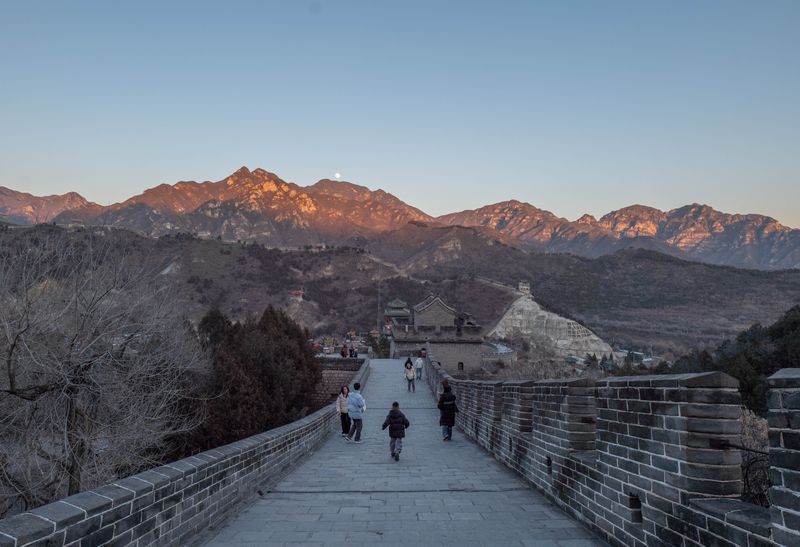
I've walked the Great Wall more than a hundred times with clients. Every single time, I tell them the same thing before we start: "Don't look at your phone. Just stand there for one minute and let it hit you." The look on their faces when they finally look up — that never gets old. Most tourists go to Badaling because that's what the tour buses advertise. I take my clients to Mutianyu. Same wall, better experience — way fewer people, a cable car up, and a toboggan ride down that adults enjoy more than kids (don't tell my children I said that). Pro tip from hundreds of trips: arrive before 8am. The ticket queue at 10am can be 40 minutes. At 8am you walk straight through. And bring water — the vendors on the wall charge triple. If you really want to escape crowds, Jinshanling is where I go when I have a free weekend. It's unrestored, crumbling, and absolutely stunning. Pack a picnic and you can walk for hours without seeing another tourist.
-530m ago10
My youngest asked me last night: 'Mama, do you plan trips for other families the same way you plan for us?' Made me stop and think. No, I don't. Not at all. When I plan for clients, it's all spreadsheets and time blocks and backup plans. Train A at 8:47. Buffer of 40 minutes. Restaurant B confirmed. Weather check at C. I treat their time like it's precious because it is — they flew 20 hours to be here. When I plan for my own family? Chaos. We miss trains. We eat lunch at 4 PM because the kids wanted to stay at the playground. We change plans on the fly. My husband has learned to stop asking 'what's the schedule' and just enjoy wherever we end up. But here's the thing I told my kid: both approaches work. A well-planned trip gives you confidence. An unplanned afternoon gives you memories. The trick is knowing which one you need right now. She didn't fully understand. But she will.
9m ago10
Last night I wanted 小龙虾 (crawfish) but didn't want to leave the house. Opened Meituan at 9:14 PM. Food arrived at 9:36 PM. Still steaming. Cost: ¥68 including delivery. China's food delivery ecosystem is something I don't think visitors fully appreciate until they experience it. Meituan and Ele.me cover everything — from hotpot ingredients delivered to your door to a single bubble tea at 2 AM. For travelers, here's how to use it: Download Meituan or Ele.me before your trip. The apps are in Chinese, but the interface is visual — food photos, star ratings, price tags. Open it, look at what's nearby, and point at something that looks good. Most hotel front desks will help you place an order if you show them what you want on your phone. I've done this for friends visiting from abroad countless times — they pick a photo, I type the address, and 30 minutes later dinner arrives. Payment is through Alipay or WeChat Pay, both already linked in the app if you've set them up. Cash on delivery also works in most places. The real magic? Late at night when jet lag hits and you've been in your hotel room for hours and suddenly realize you haven't eaten. A few taps on the phone and hot noodles show up at your door. That's modern China, and it's beautiful.
5h ago10
A friend is planning her first China trip in July and asked: "Is it really that hot?" Yes. It really is. Beijing in July hits 37–40°C with a sun that feels personal. I once walked from the north gate of the Forbidden City to the subway — 15 minutes — and looked like I'd jumped into a pool. Not my proudest moment. But here's what I've learned from 15 Chinese summers: the heat is different everywhere, and you can plan around it. Beijing and Xi'an: dry heat, intense sun, tolerable in the shade. Carry a portable fan and drink hot tea — yes, hot tea — it actually cools you down better than cold drinks. My grandmother taught me that. I didn't believe her until I tried it. Chengdu and Chongqing: humid heat that wraps around you like a wet blanket. But the nightlife makes up for it — shops, food stalls, parks all alive after 9 PM. Do your sightseeing in the morning, nap through the afternoon, then go explore when the sun goes down. Yunnan, Qinghai, and the Northwest: actually pleasant in summer. 20–28°C in most places. Lijiang, Dali, and Qinghai Lake are perfect July escapes if you want a break from the heat. One thing I always tell people packing for summer China: bring a light long-sleeve. Sun protection, air-conditioned buildings, temple dress codes — you'll need it. And don't forget a portable fan. Best 20 yuan I've ever spent.
6h ago10
Saturday 7:30 AM and I'm already awake — not by choice. My six-year-old was standing by the bed, fully dressed, announcing: "Mama, the sun is up! Park time!" I love that my kids have inherited this habit of early mornings. We walked to the neighborhood park, and as usual, the tai chi group was already there — the same people, same spots, same slow, precise movements. My younger one started copying them, arms wobbling, completely serious about it. An elderly lady paused her routine to adjust her posture. She held it for exactly three seconds before running off to chase a pigeon. This is one of those small China moments I never get tired of. Three generations in a park before 8 AM. Grandparents practicing qigong. Parents jogging. Kids stumbling around learning how the world works. No phones, no screens — just people starting their day together. My kids don't know it yet, but these Saturday mornings are shaping how they see the world. And honestly? They're shaping how I see it too.
7h ago10
This afternoon I dragged both kids up a mountain trail on the outskirts of Chongqing. The four-year-old complained for the first 15 minutes. Then she found a stick. The stick became a sword. The sword defeated every bush and rock on the trail, and suddenly hiking was the best activity ever invented. Chongqing is surrounded by hills that most tourists never see. A 30-minute drive from the city center and you're on trails that cut through bamboo forests, past small temples, with views of the Yangtze winding through the valleys below. We stopped at a little pavilion halfway up. An elderly couple was there with a thermos of tea and a bag of sunflower seeds. The wife offered some to my kids, who accepted with sticky hands and huge grins. We sat together in comfortable silence, looking out at the city far below. My oldest asked me on the way down: 'Mama, why do the old people in China always go to the mountains?' I told her: because they know that a mountain doesn't ask anything of you. You just walk, breathe, and remember what matters. She didn't fully get it. But one day she will.
8h ago10
Sunday lunch in our house is never planned. I open the fridge, stare at it for five minutes, and then improvise based on whatever my kids haven't rejected yet. Today's menu: hand-pulled noodles (the store-bought kind, don't judge me — I'm not my grandmother), a tomato egg stir-fry that's so simple it barely counts as cooking, and the leftover braised pork from yesterday that somehow tastes even better than when I first made it. My oldest insisted on 'helping' crack the eggs. Two out of three made it into the bowl. The third one ended up on the counter, where my younger one immediately tried to draw in it with her finger. I counted to five and decided this was fine. The best moment of cooking with kids isn't the food — it's the quiet that falls over the kitchen when they're both focused on a task. Chopping scallions. Tossing noodles. Licking the spoon when they think I'm not looking. We sat down at 1pm, the table a mess of mismatched bowls and spilled soy sauce. My younger one announced: 'Mama, this is the best lunch ever.' She says that every week. I still believe her every time.
8h ago10
Saturday 8am and I'm already losing an argument with a six-year-old about why 2+2 equals 4 and not 5. She was so confident about it too — 'Mama, think about it. Two and two. That's five.' The conviction in her voice almost made me doubt basic arithmetic. I try to make Saturday mornings our slow study time. No rushing. No pressure. Just the three of us at the kitchen table with textbooks, crayons, and a plate of cut fruit that I spend more time arranging than anyone notices. My younger one 'helps' by coloring the margins of her sister's workbook. I pretend not to see. She's so proud of her artwork that I don't have the heart to stop her. An hour later we've covered: 4 math problems, 3 pages of Chinese characters, 2 minor meltdowns, and 1 breakthrough — she finally agreed that 2+2 is indeed 4, but only because 'you said so, Mama, not because I believe you.' Weekend mornings in our house. Chaotic, loud, and I wouldn't trade them for anything.
8h ago10
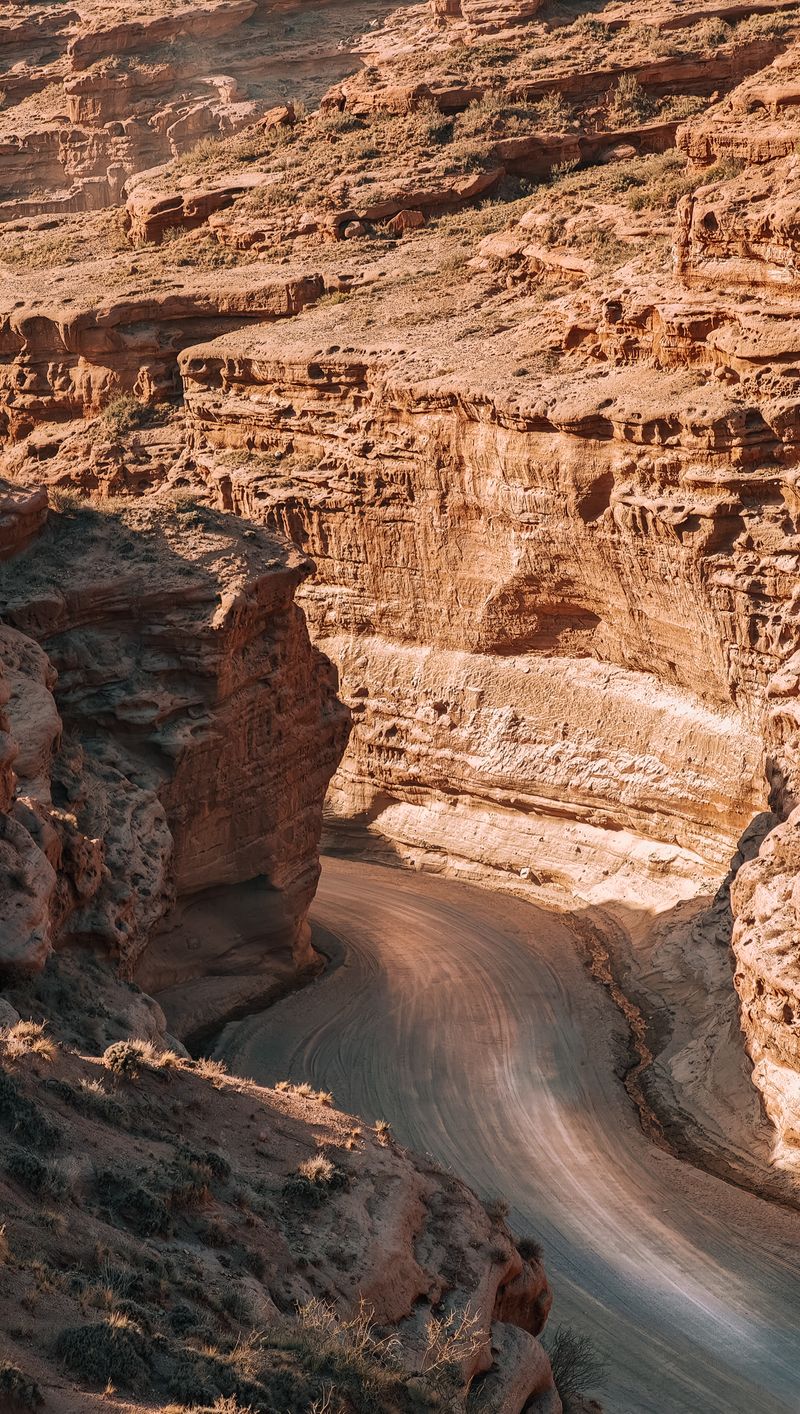
The Northwest Grand Loop is still my favorite multi-day trip to recommend. Xining → Qinghai Lake → Chaka Salt Lake → Dunhuang → Zhangye Danxia. I took a Swiss couple on this route last September. On day three, standing on the edge of the Gobi at dusk, the wife turned to me and said: "I didn't know China had this." Most tourists only see eastern China — Shanghai skyscrapers, Beijing hutongs. The northwest is a completely different country. Endless highways cutting through desert. Tibetan prayer flags at Qinghai Lake. The rainbow mountains of Zhangye that look photoshopped but aren't. Few practical things: altitude at Qinghai Lake is 3,200m — take it slow the first day. The drive between Dunhuang and Zhangye is 6 hours but the landscape changes every 20 minutes. And bring a mask for the Gobi wind — real sand, not pollution. Book at least 2 weeks for this loop. You could rush it in 10 days but you'd miss the moments that make it special — like watching the sun set over the Singing Sand Dunes while someone plays a flute in the distance.
1d ago10
A solo traveler from Brazil asked me yesterday: "Is it weird to travel China alone?" I told her about the afternoon I spent by myself at a temple in the mountains outside Chengdu. No phone signal, no itinerary, just me and the sound of wind through bamboo. One of the best afternoons of my life. China is actually great for solo travel — especially if you want time to think. Morning tai chi in a park full of strangers who don't mind your presence. A quiet corner in a tea house with a book. Walking the Great Wall sections away from the cable car crowds. The secret most people don't know: Chinese culture values that kind of solitude too. The concept of "独处" (being alone) isn't loneliness — it's self-containment. A chance to reset. My advice: pick one city and stay 4-5 days instead of jumping cities every 2. Find a neighborhood coffee shop. Visit the same noodle place twice. Let the place find you instead of chasing it. That's where the real China shows up.
1d ago10
You can spot the regulars in any Chinese park before 7 AM. The lady with the fan doing tai chi under the same tree — same spot every morning for ten years. The old man writing calligraphy with a sponge on the pavement, disappearing characters before your eyes. The group doing slow-motion badminton without a net. This is 养生 (yangsheng) — nurturing life. It's not a diet or a workout routine. It's a whole philosophy woven into daily habits. My aunt in Shanghai starts every day with a thermos of goji berry tea. My neighbor in her 70s does qigong on her balcony before sunrise. When I asked her why, she said: "I'm not exercising. I'm moving energy." I tell my western clients: if you want to understand China, skip a museum and go to a park at dawn. You'll see more about how Chinese people actually think about health, aging, and happiness in one morning than in a dozen history books. And honestly? After 15 years here, I think they're onto something.
1d ago10
A family from London asked me to take them to a 'real' restaurant in Chongqing. Not the tourist ones on Hongyadong. So I took them to my uncle's hotpot place in a side alley near Jiefangbei. No English menu, no pictures — just the smell of numbing Sichuan pepper hitting you from the street. The dad looked nervous. Two hours later he was dipping beef tripe like a local, sweating through his shirt, asking me what else Chongqing has that tourists miss. That's the thing about this city — the best stuff is never on TripAdvisor.
1d ago0
A Canadian guest asked me today why Chinese people always drink hot water. I laughed — I tell my own kids the same thing. In Chinese medicine, cold drinks shock your system. Hot water aids circulation and recovery. And when it is humid and sticky in Shanghai summers? Red bean soup is the traditional fix. You do not need to believe in TCM to feel the difference. My guests are always surprised how good they feel after a week of eating and living this way.
2d ago10
Just reminded a Swedish client to check the lunar calendar before booking March dates. Qingming Festival — the whole country goes tomb sweeping. Streets empty, everything changes. Chinese festivals shift every year with the lunar calendar, most foreigners do not realize. Spring Festival (Jan/Feb) = nationwide travel rush. Qingming (April) = spring outings and grave sweeping. Dragon Boat (June) = zongzi rice dumplings everywhere. Mid-Autumn (Sept/Oct) = mooncakes with family. Travel with Chinas rhythm, not against it.
2d ago10
Brought my clients to a tea house in Hangzhou this afternoon. The owner brewed seven different teas for us — Longjing, Biluochun, the works. My Australian guests kept filling their cups to the top until I stopped them. In Chinese tea culture you never fill it all the way. That is for noodles. Tea gets small refills. And you tap the table twice when someone pours — an old thank you gesture. Such small things, but they make the whole experience.
2d ago10
One of my guests from Germany pointed at the Laozi quote in the hotel lobby yesterday. Asked me what it means. I told her: A journey of a thousand miles begins with a single step. She smiled — said that is exactly why she booked this trip. You see Tao Te Ching everywhere in China. Not just in books. On office walls, restaurant scrolls, park stones. Its how people here actually think, even if they have not read it.
2d ago10
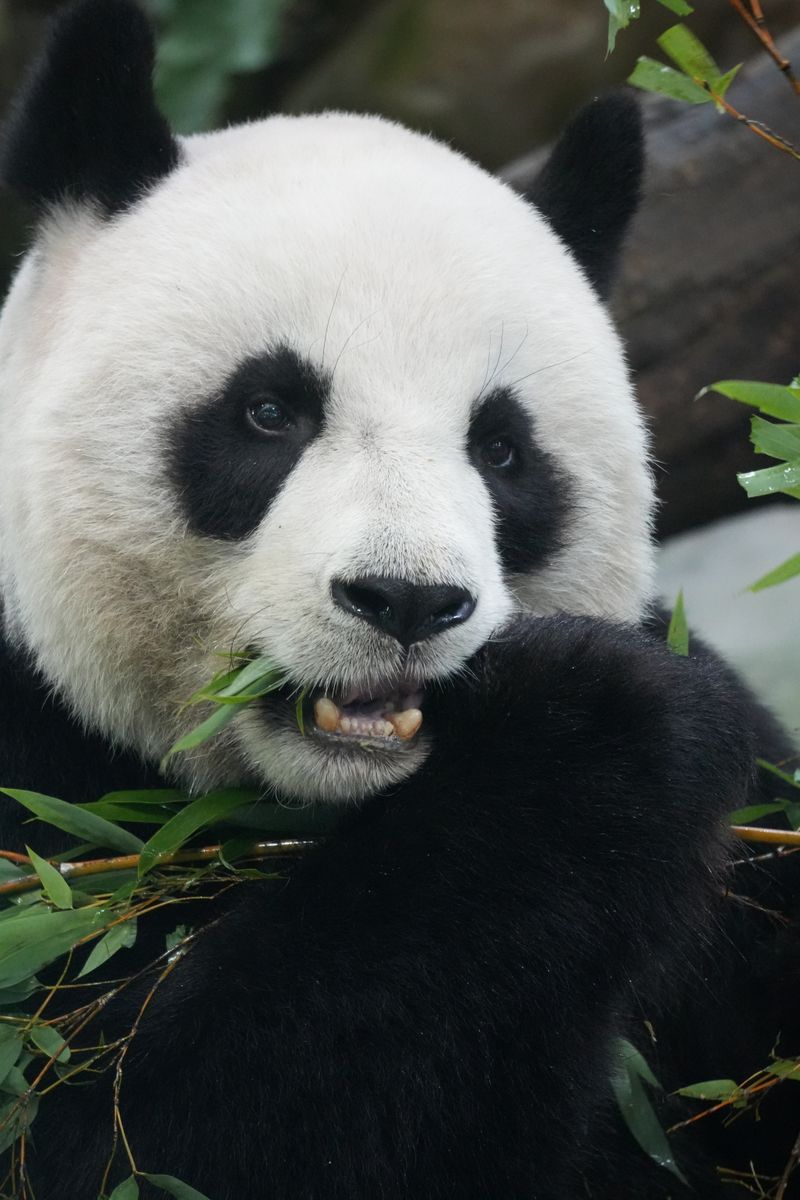
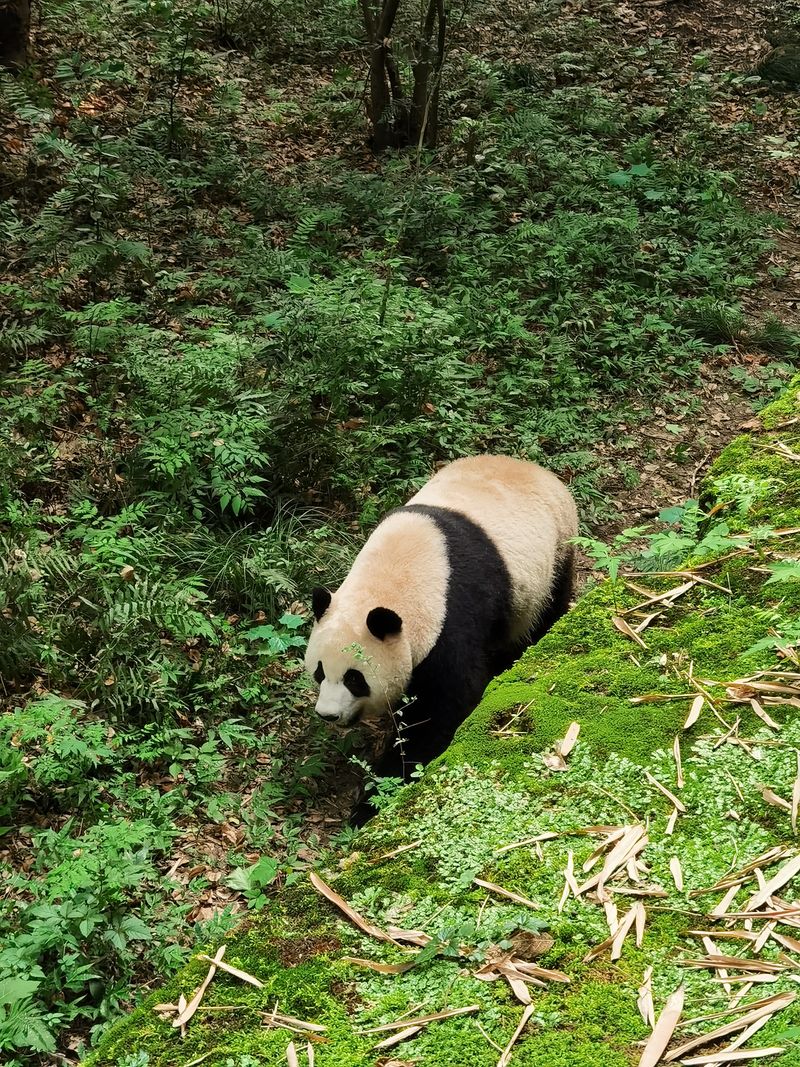
Took a French family to the panda base this morning. 7:30 AM opening, pandas at their most active — always the best time. I bring all my clients to Dujiangyan base instead of the main breeding center. Same pandas, way fewer crowds. One of the kids asked me why baby pandas are pink. Told her they don not get their black-and-white until three weeks old. She did not believe me until the guide confirmed it 😂
2d ago10