23 篇文章 · 精选中国旅行贴士
A ¥12 bowl of noodles in a shop with no English name and no website. I've been eating here since I was a child — and I still send every client here.
Chinese grandmas have a superpower: they can tell if you’ve eaten enough just by looking at you. Mine lives 800 km (about 500 miles) away. I video call her weekly on WeChat. First question: "Did you eat?" Second: "What?" Third: "Not enough. Eat more." It’s a biological imperative. If you’re not overfed, they’re not doing their job. Visiting China? If a grandma offers food, say yes. Eat seconds. Accept leftovers. Trust me, you don’t want to see the disappointed face of a Chinese grandma who thinks you’re starving. It’s worse than any flight delay on Trip.com or a missed booking on Booking.com. I learned this the hard way on my first trip back with my kids. My grandma took one look at my son—who’s perfectly healthy by any U.S. pediatrician’s standards—and said, "He’s too thin. Feed him." Within an hour, he was eating his third bowl of noodles. She didn’t even use a scale; she just *knew*. It’s like a sixth sense, honed over decades of judging whether everyone in the room has had enough rice. For first-time visitors, here’s the golden rule: when a Chinese grandma—or any elder—offers you food, it’s not a suggestion. It’s a cultural handshake. Say yes. Eat until you’re full, then eat a little more. Take the leftovers wrapped in a plastic bag. They’ll beam with pride, and you’ll leave with a full stomach and a story to tell. And if you’re booking your trip? Use Google Flights to snag a deal on a flight to Beijing or Shanghai. Book your hotel on Booking.com or an Airbnb near a local market. But the real adventure? Finding a grandma who’ll feed you like family. Just don’t tell her you’re full—she won’t believe you anyway. So, next time you’re in China and a grandma eyes you suspiciously, know she’s already calculating how many dumplings you need. Eat up. It’s the only way to pass her test.
There’s a noodle shop in Chongqing with no English name, no website, no social media. Just a faded red sign and six mismatched tables. I’ve been eating there since I was five. The owner’s mother ran it before her. Same broth recipe for 50 years. They serve *xiao mian*—Chongqing’s signature spicy noodles. A bowl costs 12 RMB (about $1.65 USD). When I bring first-time visitors, they’re always skeptical. Then they take that first bite. Then they ask, “Can we come back tomorrow?” This is the China I want you to see. Not the shiny malls or the tourist traps. Just a tiny shop, a family recipe, and a bowl of noodles that changes how you think about food.
"Can I have a fork?" Every Western client asks this on day 1. I say: "Wait till day 3." By day 3 they are eating peanuts with chopsticks. By day 5 they judge restaurants by the quality of their disposable chopsticks. The secret? Chopsticks are just an extension of your fingers and your fingers already know what to do.
The best breakfast in China costs about $1 (¥7) and takes 30 seconds. It's called **jianbing** — a savory crepe with egg, cracker, scallions, and chili sauce, made right on the street corner. Every city has its own spin. I ate one every morning back in university, and to this day, it's still my go-to comfort food. My American clients always hesitate when I suggest it. They see the vendor working their magic on a round griddle, spreading batter thin, cracking an egg, sprinkling scallions, and folding it up like a warm envelope. Then they take a bite. And then: "Can we get this every day?" Yes. Yes, we can. > **Pro tip for first-timers:** Don't overthink it. Just point at what looks good, hand over a few yuan (less than a dollar), and wait 30 seconds. It's the ultimate street food experience. If you're planning a trip and want to find the best local jianbing, check out [Trip.com](https://www.trip.com) for food tours or use [Google Flights](https://www.google.com/flights) to book a cheap flight to Beijing or Shanghai—both are jianbing hotspots. For a place to stay near all the action, [Booking.com](https://www.booking.com) has great options, or you can snag a cozy Airbnb in a hutong neighborhood. Trust me, you'll want to be walking distance from a morning jianbing stall. Whether you're flying in from New York, London, or Sydney, this is the breakfast that'll make you fall in love with China before noon.
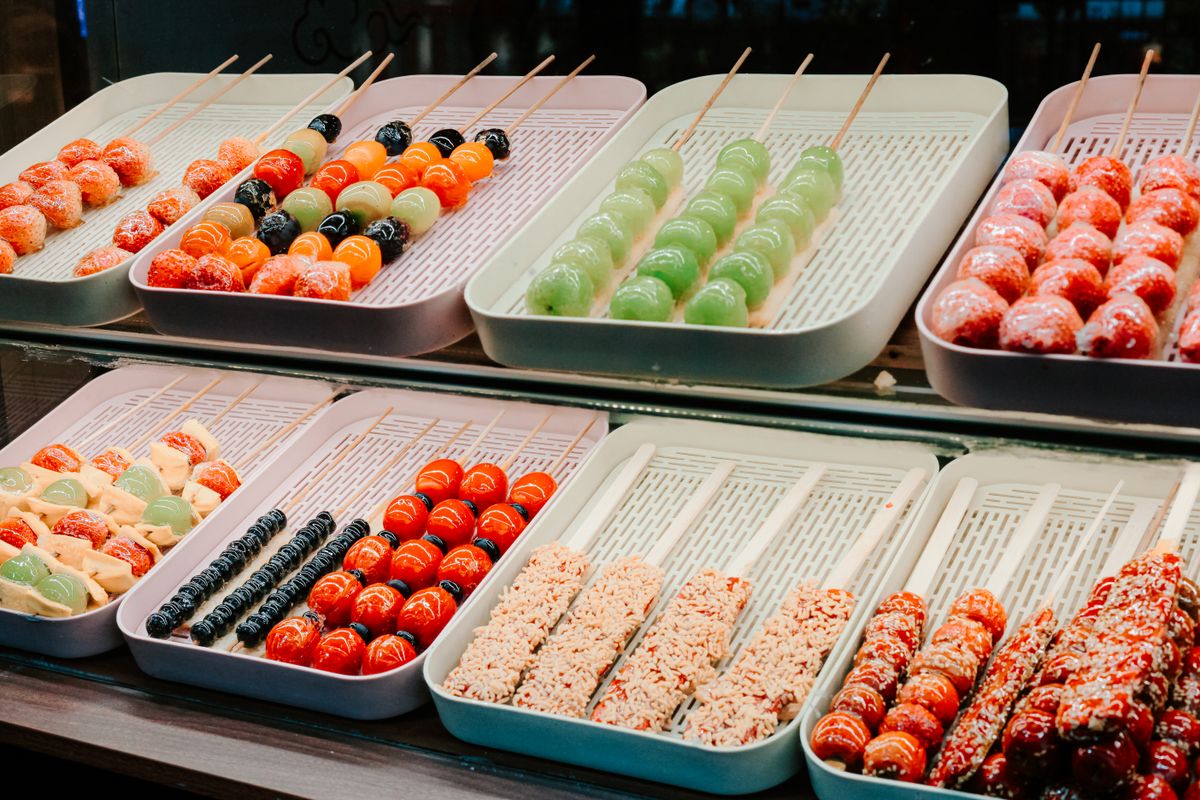
A client told me Chinese night markets beat Michelin restaurants. I didn't argue.\n\nXi'an's Muslim Quarter at 8pm: smoke from lamb skewers, aunties flipping jianbing, the pull of handmade noodles. 50 yuan (about $7 USD) buys dinner, dessert, and a drink. The best meal I ever had cost 12 yuan (less than $2 USD) for xiaomian in a Chongqing alley. The places without English menus are the ones you remember.\n\nI've spent 15 years exploring China's food scene—from street stalls to high-end dining—and here's what I tell first-time visitors: skip the reservations on Trip.com or Booking.com for fancy restaurants your first few nights. Instead, head to a night market.\n\n**Why night markets win:**\n- **Price:** A full feast for $5-10 USD (¥35-70) vs. $100+ at a Michelin-star spot\n- **Variety:** Try 10+ dishes in one evening—lamb skewers, spicy tofu, candied hawthorn, hand-pulled noodles\n- **Authenticity:** No English menus, no tourists, just locals and their grandmas' recipes\n\n**My top night market picks for first-timers:**\n- **Xi'an Muslim Quarter** – Best for lamb skewers and yangrou paomo (bread in lamb soup). Book a flight into Xi'an Xianyang International Airport (XIY) from London, San Francisco, or Sydney.\n- **Chongqing Jiefangbei Night Market** – For the legendary xiaomian noodles. Fly into Chongqing Jiangbei International Airport (CKG) direct from Tokyo or via Shanghai.\n- **Chengdu Jinli Ancient Street** – Mapo tofu and dan dan noodles. Easy stop after a flight from LA or Amsterdam into Chengdu Tianfu (TFU).\n- **Shanghai Yunnan Road Night Market** – Xiaolongbao and shengjianbao. Fly into Shanghai Pudong (PVG) from New York, Paris, or Melbourne.\n\n**Pro tips from a mom of two:**\n- Bring cash (small bills). Most stalls don't take cards or Alipay for first-timers.\n- Point at what others are eating. \"That, please\" works everywhere.\n- Go around 7-8pm for the freshest food and best energy.\n- Share plates—my kids love the skewers and fried dumplings.\n\nOne night in Xi'an, I spent ¥12 ($1.70 USD) on a bowl of spicy hand-pulled noodles from a grandma who didn't speak a word of English. She smiled, pointed at the chili oil, and gave me extra. That meal is still the best I've had in China—and I've eaten at three-Michelin-star restaurants in Shanghai.\n\nSo yeah, when my client said night markets beat Michelin, I just nodded. And then I booked her a flight on Google Flights to Xi'an.\n\n*Ready to eat your way through China? Start with a night market. Your taste buds—and wallet—will thank you.*
"I don't eat anything that's still looking at me."
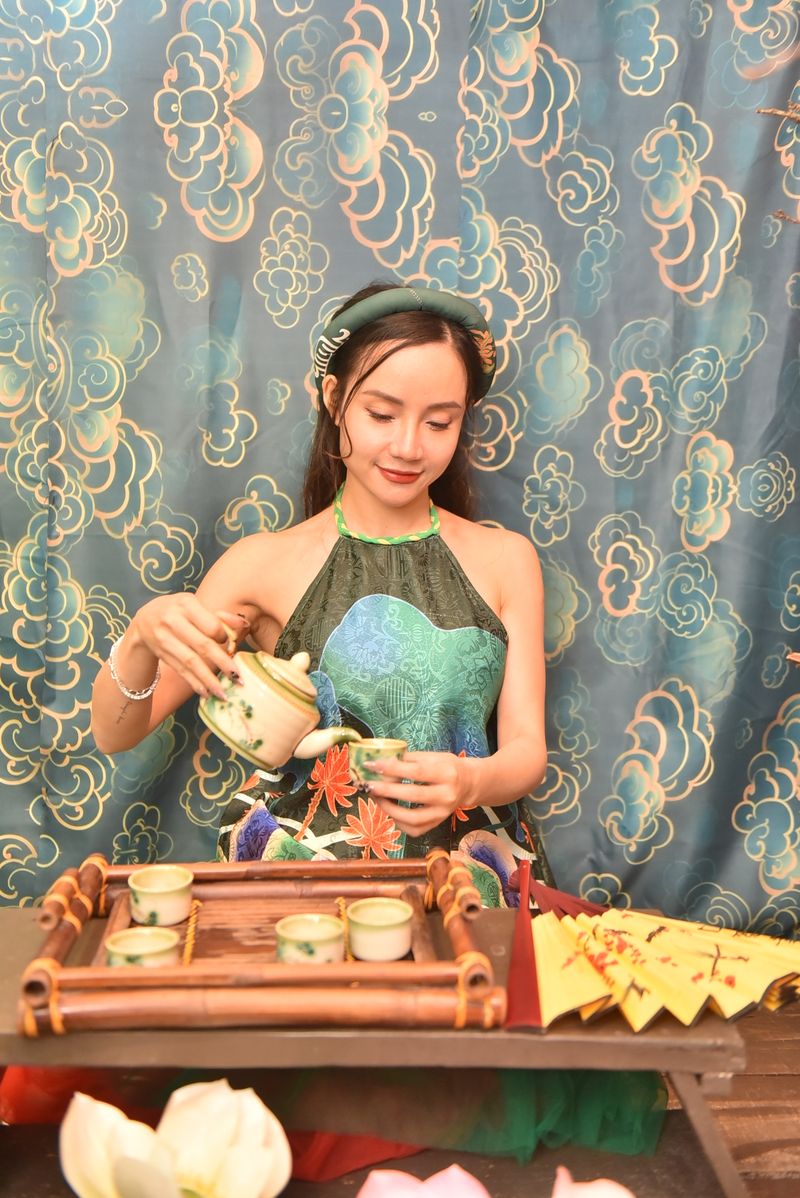
From Hangzhou's Longjing tea fields to Guangzhou's dim sum tea houses, Chinese tea culture is a must-experience part of any trip. Here's everything you need to know.
Finding halal food in China is easier than you think. From Xi'an's Muslim Quarter to Beijing's halal restaurants, here's everything Muslim travelers need to know about eating in China.
Food tip for this week: if you see a restaurant with a plastic curtain at the door, plastic stools, and a crowd of locals eating with their heads down — go in. That's where the good stuff is. Not the place with English menus and laminated photos. I've eaten at ¥800-a-person banquets that I forgot the next day, and I've had ¥12 bowls of noodles from a street stall that I still think about years later. Trust the plastic stools.
My son asked me last week: "Mama, why do Chinese people eat with chopsticks?" I didn't have a good answer. So I asked my uncle, who's been a chef for 40 years. He said: "Because we cut everything in the kitchen. No knives on the table. The chopsticks are for picking up what's already ready." And that's actually a great way to understand Chinese food culture. Western cooking leaves the knife to the diner. Chinese cooking does all the work for you — meat sliced thin, vegetables bite-sized, everything ready to pick up and eat. The chopstick is just the tool that delivers it. The real skill isn't chopsticks — it's the rice bowl. Hold it close to your mouth and push food in. That's how locals eat. Keeping the bowl on the table and leaning down? That's what kids do (and my four-year-old still does it, sauce on his chin, every single meal). If you can handle chopsticks well enough to pick up a single peanut, you're better than most tourists. If you can pick up a slippery mushroom? You've graduated.
I took a British family to a Kunming night market. The dad bought a scorpion stick and said it was the best meal of his trip. Here's everything I've learned about Chinese street food over 15 years — what's safe, what's worth it, and how to eat like a local.
7 AM at my local market in Chongqing. The vegetable vendors are already on their second round of customers. An old lady selling bok choy sees me coming and shouts: Hey! The mom with two girls! Your youngest liked the spinach last time! She remembered. I have no idea how she remembered. She packed me an extra bunch of scallions and said free, for the girls. This does not happen in supermarkets. This does not happen anywhere outside China. This is what I mean when I tell my clients: come for the sights, stay for the people.
After 15 years of dragging hungry clients around Beijing, I've built a mental map of exactly where to eat — from the hole-in-the-wall jianbing stall that beats any hotel breakfast, to the Peking duck restaurants locals actually queue for.
Xi'an's Muslim Quarter at sunset is one of those places I'd send every traveller even if they had only one day in China. The narrow alleys fill with smoke from a thousand grill carts. Lamb skewers sizzle. Biang biang noodles get stretched and slapped on counters. Persimmon cakes fry in giant woks. The Yangrou Paomo (bread crumbled into lamb soup) at Lao Sun Jia is the same recipe they used 50 years ago. I bring every client here. The ones who love food leave overwhelmed. The ones who don't care about food also leave overwhelmed — because this place has a way of making you care. Two tips: go hungry (obvious), and start from the Drum Tower end working inward instead of the main gate. The crowds thin out and the vendors get more interesting the deeper you go.
From Peking duck to Chongqing hotpot, from Xiaolongbao to Guilin rice noodles — the 30 dishes you need to eat on your China trip, with where to find them.
Chongqing in summer hits 40°C — and I mean that literally, not as a figure of speech. The kind of heat where walking from your front door to the car feels like a bad life decision. So where do locals go? Underground. Not basements or malls. Real air-raid shelters dug into the mountains during World War II. Today they're converted into hotpot restaurants, tea houses, and even a museum. The temperature inside stays around 22°C year-round, no AC needed. I took a British family to one last week. We sat in a cave tunnel eating hotpot while outside the city baked at 41 degrees. The dad kept touching the stone walls, amazed that 80-year-old military tunnels now serve the best goose intestine I've ever had. That's what I love about this city. Nothing gets thrown away. Every space finds a new purpose.
After a lifetime of eating Chongqing hotpot, here's everything I wish every visitor knew — from what makes the broth different to how to eat it without embarrassing yourself.
Brought my clients to a tea house in Hangzhou this afternoon. The owner brewed seven different teas for us — Longjing, Biluochun, the works. My Australian guests kept filling their cups to the top until I stopped them. In Chinese tea culture you never fill it all the way. That is for noodles. Tea gets small refills. And you tap the table twice when someone pours — an old thank you gesture. Such small things, but they make the whole experience.
Pointing at menus, using your phone, and the one phrase that will get you fed anywhere in China. From someone who's been eating her way across the country for 15 years.
The bowl that defines a city — silky rice noodles in bone broth, topped with beef, peanuts, and pickled beans. Here's everything you need to know about Guilin's most famous dish.
Every foreign traveler asks this. Here's the Traditional Chinese Medicine explanation — and some practical tips for getting your cold drinks in China.
Everyone comes for the pandas. But the real magic of Chengdu is in its food alleys, tea houses, and the laid-back attitude you won't find anywhere else in China.